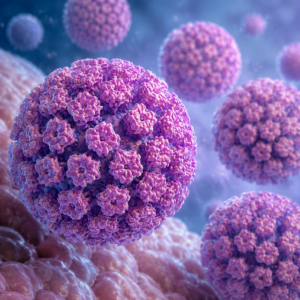
 Human papillomavirus (HPV) is the most common sexually transmitted infection (STI) in the United States. More than 200 types of HPV have been identified, and while many infections go away on their own, some types can lead to genital warts and certain cancers if left untreated.
Understanding how HPV spreads and how it can be prevented is an important part of protecting your long-term health.
What Is HPV?
HPV is a group of related viruses that can affect different parts of the body. Many people who contract HPV never develop symptoms and may not realize they have the virus. In most cases, the body’s immune system clears the infection naturally. However, some HPV infections can persist and increase the risk of developing serious health conditions over time.
How Is HPV Spread?
HPV is spread through intimate skin-to-skin contact, including vaginal, anal, and oral sex with someone who has the virus. Because HPV often causes no symptoms, people can unknowingly transmit it to others. Symptoms and health complications may not appear until months or even years after infection.
Anyone who is sexually active can contract HPV, regardless of age, gender, or sexual orientation.
Can HPV Cause Cancer?
While most HPV infections resolve without treatment, some high-risk types can lead to cancer.
Persistent HPV infections have been associated with:
- Cervical cancer
- Anal cancer
- Penile cancer
- Vaginal cancer
- Vulvar cancer
- Oropharyngeal (throat) cancer
Certain types of HPV can also cause genital warts. Early detection and preventive care play an important role in reducing the risk of serious health complications.
How Can HPV Be Prevented?
There are several ways to reduce your risk of HPV infection:
- Receive the HPV vaccine if recommended by your healthcare provider.
- Use condoms and other barrier methods during sexual activity.
- Limit exposure to sexually transmitted infections by practicing safer sex.
- Stay current on routine health screenings and preventive care.
While condoms can help reduce the risk of HPV transmission, they do not provide complete protection because HPV can infect areas not covered by a condom.
HPV Vaccination
The HPV vaccine is one of the most effective tools available for preventing HPV-related cancers and diseases.
Current recommendations include:
Ages 9-26
HPV vaccination is routinely recommended and is most effective when administered before exposure to the virus. Vaccination typically begins at ages 11 or 12, although it may be started as early as age 9.
Ages 27-45
Some adults may still benefit from HPV vaccination. Talk with your healthcare provider about whether vaccination is appropriate for your individual circumstances.
During Pregnancy
Individuals who are pregnant should wait until after pregnancy to receive the HPV vaccine. Vaccination can resume after delivery.
Why Screening Matters
Routine screenings can help identify changes that may be caused by HPV before they become more serious.
Depending on age and health history, your healthcare provider may recommend:
- Cervical cancer screening (Pap tests)
- HPV testing
- Routine wellness exams
- Preventive reproductive health services
These screenings are an important part of maintaining overall health and detecting potential concerns early.
Care Resource Can Help
Care Resource provides comprehensive primary care and preventive health services for patients of all ages. Services include vaccinations, wellness exams, screenings, women’s health services, chronic disease management, and other healthcare resources designed to support lifelong wellness.
Talk with your healthcare provider about HPV prevention, vaccination, and recommended screenings. Taking proactive steps today can help protect your health for years to come.