For healthcare organizations, emergency preparedness is essential to ensuring that patients continue receiving care when they need it most. Strong facilities, emergency planning, and resilient infrastructure help communities remain connected to critical healthcare services during times of crisis.
Why Healthcare Emergency Preparedness Matters
Natural disasters can affect every aspect of daily life. Power outages, transportation disruptions, facility closures, and communication challenges may prevent patients from accessing necessary care.
For individuals managing chronic illnesses, HIV, diabetes, behavioral health conditions, or other ongoing health needs, interruptions in care can create serious challenges. Healthcare facilities must therefore plan ahead to maintain operations and support patients during emergencies.
Investing in Resilient Healthcare Infrastructure
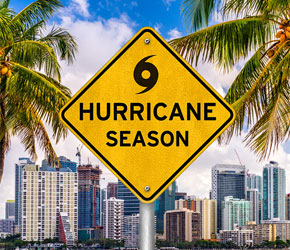
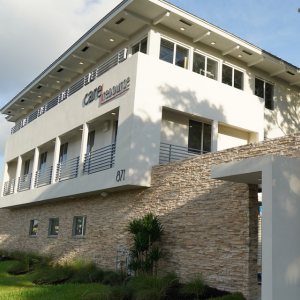 In 2012, Care Resource received funding from the U.S. Department of Health and Human Services through a Health Resources and Services Administration (HRSA) emergency preparedness initiative. The funding supported capital improvements designed to strengthen the organization’s Broward County facility and improve its ability to continue serving patients during hurricanes and other emergency situations.
The investment reflected the importance of building healthcare infrastructure that can withstand challenges while supporting uninterrupted access to care.
Supporting Patients During Emergencies
Community health centers often serve as important healthcare resources during emergencies. Patients may depend on these organizations for:
- Primary medical care
- Prescription management
- HIV care and treatment
- Behavioral health services
- Pediatric care
- Dental services
- Care coordination and support services
Maintaining access to these services helps protect both individual and community health during difficult circumstances.
Protecting Vulnerable Communities
Emergency preparedness is especially important for individuals who may already face barriers to healthcare access. Older adults, low-income families, people living with chronic illnesses, and historically underserved populations may experience greater challenges during disasters.
Care Resource’s investment in emergency preparedness reflected a commitment to ensuring that patients could continue accessing care in a trusted and supportive environment, even during periods of disruption.
Building Stronger Communities Through Preparedness
Prepared healthcare facilities strengthen community resilience. When clinics and health centers can continue operating during emergencies, patients have access to reliable healthcare services, information, and support.
Preparation, infrastructure improvements, and emergency planning all contribute to a stronger healthcare system that is better equipped to respond when communities need assistance most.
Looking Ahead
Emergency preparedness remains an important part of community healthcare. Investments in resilient facilities, operational planning, and patient support systems help ensure that healthcare organizations can continue serving their communities during challenging times.
At Care Resource, we remain committed to providing accessible, dependable healthcare services while supporting the health and well-being of South Florida communities before, during, and after emergencies.
To learn more about Care Resource’s comprehensive healthcare services, call 305-576-1234 or visit our services tab above.