
In recent years, public conversations surrounding sexually transmitted infections (STIs) have shifted significantly. Discussions are becoming more open; testing has become increasingly accessible, and sexual health is more widely recognized as an essential component of overall well‑being. Despite these advancements, STI rates in the United States continue to rise. Although this may appear contradictory, several emerging trends reflect meaningful progress.
More individuals now:
- Speak more openly about testing
- Experience reduced stigma related to STIs
- Understand that many infections are treatable
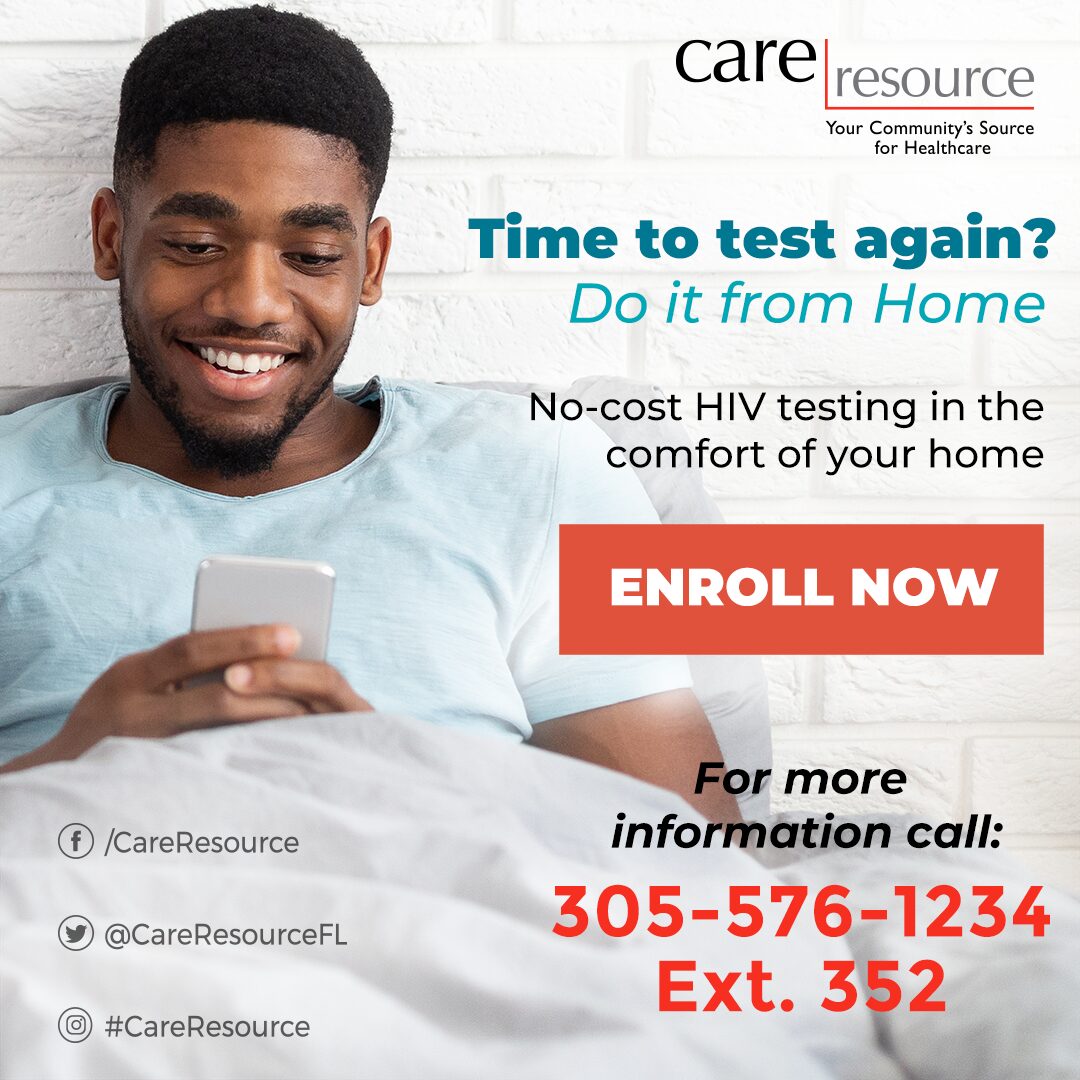
- Use resources such as at‑home testing and other prevention tools
These developments support individuals in taking a proactive approach to their health. They also help diminish the fear and stigma that previously discouraged many from seeking the care they needed.
Sexually transmitted infections (STIs) can affect anyone who is sexually active, regardless of age, background, or relationship status. The most important point is that individuals who are sexually active should take steps to protect their health.
So why are STI rates continuing to increase? One contributing factor is inconsistent adherence to preventive behaviors.
Some emerging patterns include:
- Inconsistent or infrequent testing
- Reduced use of protective methods
- Lower levels of concern about treatable STIs
- A sense of invulnerability among some individuals using PrEP (pre‑exposure prophylaxis)
These behaviors highlight the need for continued education, consistent prevention strategies, and ongoing access to testing and care.
Many individuals cite being “too busy” as a reason for delaying regular screening. It is also common for people to find themselves unprepared to use condoms in the moment. However, a notable trend involves the increasing sense of comfort among some individuals who use PrEP. This can create a perception of reduced vulnerability, despite the fact that PrEP does not provide protection against most STIs. As a result, some individuals may forgo barrier methods altogether, increasing their risk of acquiring other infections.
“Awareness is powerful, but it’s only the first step. Real protection comes from consistent habits—testing regularly, using prevention tools, and having honest conversations about sexual health. When people feel supported instead of judged, they’re far more likely to stay engaged in their care.” – Jairo Farinas, Health Promotion & Prevention Field Supervisor at Care Resource
The good news is that protecting your health does not have to be complicated. Small, consistent actions go a long way. Getting tested regularly is one of the most important steps. Many STIs do not have symptoms, so testing is the only way to know your status. Using protection and having open conversations with partners is key. Remember, sexual health isn’t just about protecting yourself; it’s also about protecting others.
At Care Resource, your health and well‑being matter. Our health center offers:
- STI testing and treatment
- Education and personalized prevention planning
- Support connecting to PrEP (pre‑exposure prophylaxis)
- Access to DoxyPEP, a post‑exposure option that may reduce the risk of certain STIs
- Long‑lasting HIV prevention options, including injectable therapies for those who qualify
These services help bridge the gap between knowing the importance of prevention and actively staying protected.
If you have questions, need testing, or want to learn more about prevention tools, speaking with one of our providers is a strong and empowering first step.