 Despite decades of medical advances and public education, misconceptions about HIV still exist.
These myths can contribute to stigma, prevent people from getting tested, and discourage individuals from seeking prevention or treatment services.
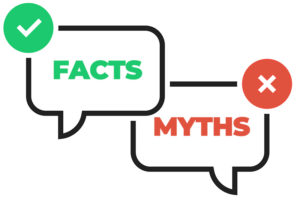
Understanding the facts about HIV is one of the most important steps toward protecting your health and supporting healthy communities. Here are six common myths about HIV and the facts behind them.
Myth #1: HIV Is a Death Sentence
Fact:
HIV is no longer considered a death sentence.
Thanks to advances in antiretroviral therapy (ART), people living with HIV who receive ongoing medical care and take their medications as prescribed can live long, healthy, and productive lives. Early diagnosis and treatment help protect the immune system and reduce the risk of HIV-related complications.
Many people living with HIV work, raise families, pursue careers, and enjoy a quality of life similar to those without HIV.
The key is getting tested, knowing your status, and beginning treatment as soon as possible if diagnosed.
Myth #2: You Can Get HIV Through Casual Contact
Fact:
HIV is not spread through everyday contact.
You cannot get HIV from:
- Hugging
- Shaking hands
- Sharing food or drinks
- Using the same restroom
- Touching common surfaces
- Tears
- Sweat
- Saliva
- Coughing or sneezing
HIV can only be transmitted through specific bodily fluids, including:
- Blood
- Semen
- Vaginal fluids
- Rectal fluids
- Breast milk
Understanding how HIV is and is not spread can help reduce misinformation and stigma.
Myth #3: It's Easy to Tell If Someone Has HIV
Fact:
You cannot tell whether someone has HIV simply by looking at them.
Some individuals experience flu-like symptoms shortly after infection, while others may have no symptoms at all for months or even years. Because HIV often causes no visible signs, many people do not realize they have the virus.
The only way to know your HIV status is through testing.
Regular HIV testing is an important part of preventive healthcare, particularly for sexually active individuals and those with additional risk factors.
Myth #4: People Living with HIV Can't Have Children
Fact:
Many people living with HIV can safely have children.
Modern HIV treatment has dramatically reduced the risk of HIV transmission during pregnancy, labor, delivery, and infant care. Individuals living with HIV who work closely with their healthcare providers and follow treatment recommendations can significantly reduce the risk of passing HIV to their babies.
Couples can also discuss family-planning options with healthcare providers to help protect both partners and future children.
Advances in medical care have made pregnancy and parenthood achievable for many people living with HIV.
Myth #5: Taking PrEP Means You No Longer Need Protection
Fact:
PrEP (Pre-Exposure Prophylaxis) is one of the most effective tools available for preventing HIV, but it does not protect against other sexually transmitted infections (STIs).
PrEP works best when taken exactly as prescribed and as part of a broader prevention strategy that may include:
- Routine HIV testing
- STI screenings
- Regular healthcare visits
- Open communication with partners
- Safer-sex practices
If you’re interested in HIV prevention, talk with one of our PrEP navigators or your healthcare provider about whether PrEP may be right for you.
Myth #6: Mosquitoes Can Spread HIV
Fact:
Mosquitoes do not transmit HIV.
Unlike diseases such as malaria or dengue fever, HIV cannot survive or reproduce inside mosquitoes. When a mosquito bites a person, it does not inject blood from a previous person into the next individual.
Because of this, HIV cannot be spread through mosquito bites or other insect bites.
Understanding U=U: Undetectable Equals Untransmittable
One of the most important advances in HIV education is the concept known as U=U, which stands for Undetectable = Untransmittable.
People living with HIV who consistently take their medication and maintain an undetectable viral load cannot sexually transmit HIV to their partners.
U=U has helped reduce stigma, encourage treatment adherence, and improve the quality of life for people living with HIV.
If you are living with HIV, regular medical care and treatment can help you stay healthy and protect your partners.
Why HIV Testing Still Matters
Many people living with HIV have no symptoms, especially during the early stages of infection. That’s why testing remains one of the most powerful tools in HIV prevention and care.
Knowing your status allows you to:
- Access treatment early if needed
- Protect your partners
- Learn about prevention options
- Connect with support services
- Take control of your long-term health
The earlier HIV is detected, the better the health outcomes can be.
HIV Prevention and Care at Care Resource
Care Resource has been a leader in HIV prevention, testing, treatment, and support services for South Florida communities for decades.
Our services include:
- Rapid HIV testing
- At-home HIV testing options
- HIV medical care and treatment
- PrEP (Pre-Exposure Prophylaxis)
- PEP (Post-Exposure Prophylaxis)
- Routine sexual health screenings
- Case management and support services
- Comprehensive primary care services
Whether you’re looking to learn your status, prevent HIV, access treatment, or support a loved one, Care Resource is here to help.
Talk with a healthcare provider today about HIV testing, prevention, and treatment options that are right for you.