 What Is Shigella?
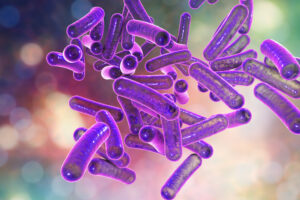
Shigella is a bacterial infection that affects the digestive system and can cause diarrhea, stomach cramps, fever, and, in some cases, bloody stools. The illness, known as shigellosis, spreads easily from person to person through contact with microscopic amounts of fecal matter.
While anyone can become infected, understanding how Shigella spreads can help reduce the risk of transmission and protect the health of individuals and communities.
How Shigella Spreads
Shigella can spread through:
- Direct person-to-person contact
- Contaminated food or water
- Poor hand hygiene
- Sexual activity that involves contact with the anus or fecal matter
- Shared items that have become contaminated, including sex toys and other personal items
Certain sexual practices may increase the risk of exposure, making awareness and preventive measures especially important.
Common Symptoms
Symptoms typically begin within a few days of exposure and may include:
- Diarrhea
- Stomach cramps
- Fever
- Nausea
- Bloody stools in some cases
Many people recover without complications, but symptoms can sometimes be severe, particularly for people with weakened immune systems.
Prevention Tips
Simple hygiene and safer-sex practices can help reduce the risk of Shigella infection:
- Wash your hands thoroughly with soap and water, especially after using the restroom and before eating.
- Wash hands, genitals, and surrounding areas before and after sexual activity.
- Use condoms and dental dams during sexual activity.
- Clean sex toys after each use according to manufacturer recommendations.
- Avoid sexual activity if you are experiencing diarrhea or other gastrointestinal symptoms.
When to Seek Medical Care
If diarrhea is severe, lasts more than a few days, includes blood, or is accompanied by dehydration or a high fever, contact a healthcare provider. Individuals with weakened immune systems may be at greater risk for complications and should seek medical advice promptly.
Care Resource Can Help
Care Resource provides comprehensive primary care, sexual health services, and behavioral health support for South Florida residents. If you are experiencing gastrointestinal symptoms or have concerns about your health, our healthcare team can help determine the appropriate evaluation and treatment options for your needs.
To learn more about Care Resource services or schedule an appointment, call 305-576-1234 or make an appointment with one of our providers.