How Collaboration Strengthens HIV Prevention and Care
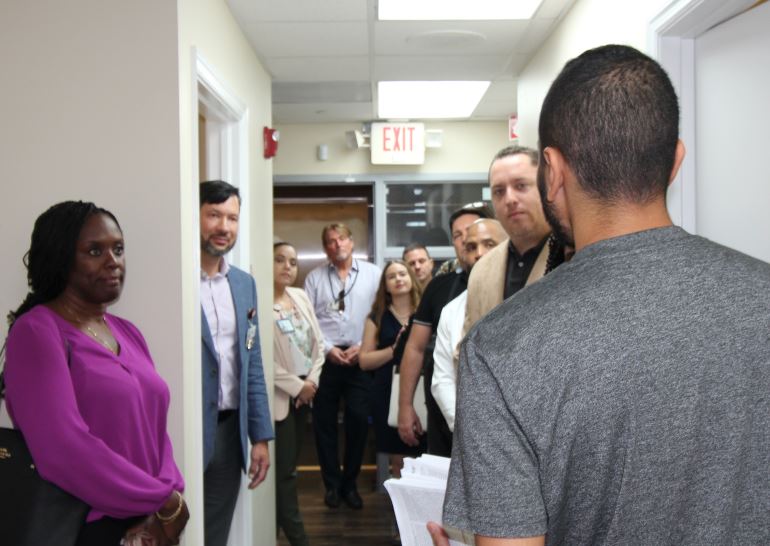 Access to high-quality HIV prevention and treatment continues to improve because healthcare organizations learn from one another and share successful approaches to patient care. By exchanging best practices, providers can strengthen services, reduce barriers to care, and improve health outcomes for the communities they serve.
As healthcare continues to evolve, collaboration remains one of the most effective tools for improving patient outcomes. Healthcare organizations can create a greater impact when they share successful strategies for prevention, treatment, outreach, and patient engagement.
Advancing HIV Prevention Through Education and Access
Preventing HIV requires a combination of education, awareness, and access to healthcare services. When providers share knowledge and innovative approaches, they can help more individuals understand their prevention options and make informed healthcare decisions.
Effective HIV prevention strategies include:
- Routine HIV testing
- PrEP education and navigation
- Risk-reduction counseling
- Community outreach and education
- Access to primary care and support services
Additionally, expanding awareness helps reduce stigma and encourages more people to seek preventive care. The more individuals understand their options, the more empowered they are to take charge of their health.
The Importance of Rapid Linkage to Care
Early diagnosis is one of the most important factors in improving health outcomes for people living with HIV. However, testing is only the first step.
Rapid linkage to care helps connect newly diagnosed individuals to medical providers, treatment, and support services as quickly as possible. As a result, patients can begin treatment sooner and receive the resources they need to manage their health effectively.
Community health centers play a critical role in creating pathways that make it easier for patients to access care and remain engaged in treatment.
Expanding Access to PrEP
Pre-exposure prophylaxis, commonly known as PrEP, has transformed HIV prevention. When taken as prescribed, PrEP provides highly effective protection for individuals who may be at increased risk of HIV exposure.
Despite its effectiveness, many people are still unaware of PrEP or face barriers to accessing it. Therefore, healthcare providers must continue educating patients about available prevention options and helping them navigate the resources needed to obtain care.
By sharing successful outreach and engagement strategies, healthcare organizations can help expand access to PrEP and other preventive services across their communities.
The Impact of U=U Education
One of the most important advancements in HIV education is the message of U=U, or Undetectable = Untransmittable.
People living with HIV who take treatment as prescribed and maintain an undetectable viral load cannot sexually transmit HIV to their partners. This message has helped reduce stigma, increase awareness, and empower individuals living with HIV to live healthy and fulfilling lives.
Furthermore, U=U education helps replace fear with facts. Clear and accurate information encourages more people to seek testing, engage in treatment, and support loved ones affected by HIV.
Reaching Underserved Communities
Improving HIV outcomes requires healthcare providers to reach individuals who may face barriers to care. These barriers can include transportation challenges, limited healthcare access, financial concerns, language differences, and stigma.
Meeting patients where they are remains essential. Healthcare organizations can expand access through community partnerships, outreach programs, patient navigation services, and culturally responsive care.
By identifying and addressing barriers, providers can help ensure that more individuals receive the prevention, testing, treatment, and support services they need.
The Role of Community Health Centers
Community health centers have long served as trusted healthcare providers for diverse populations. In addition to delivering primary care services, many health centers offer comprehensive programs that address prevention, treatment, behavioral health, and care coordination.
This integrated approach helps improve patient outcomes while making healthcare more accessible and convenient.
As healthcare needs continue to evolve, community health centers remain at the forefront of efforts to reduce disparities and strengthen community health.
Care Resource’s Commitment to Innovation
At Care Resource, we believe that innovation, collaboration, and patient-centered care are essential to improving health outcomes throughout South Florida.
Our team remains committed to expanding access to HIV prevention, testing, treatment, and supportive services. By embracing evidence-based practices and continuously seeking new ways to serve our communities, we can help more individuals access the care they need to live healthier lives.
Looking Ahead
The future of HIV prevention and treatment depends on continued collaboration among healthcare providers, community organizations, and public health leaders. When successful strategies are shared, communities benefit from stronger services, improved access to care, and better health outcomes.
Together, we can continue expanding opportunities for prevention, improving access to treatment, and supporting healthier communities throughout South Florida..