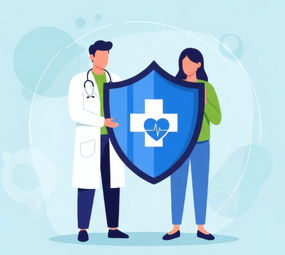
Vaccines help protect us from diseases that can cause serious illness. They prepare the body to recognize certain germs and fight them before they can do as much harm.
Immunization is important at every stage of life. Babies, children, teens, adults, and older adults may all need vaccines based on their age, health, work, travel plans, and vaccination history.
How Do Vaccines Work?
Your immune system protects your body from harmful viruses, bacteria, and other germs.
A vaccine gives your immune system a safe way to learn about a specific germ. Depending on the vaccine, it may contain a weakened or inactive form of the germ, a small part of it, or instructions that help the body recognize it.
If you come in contact with that germ later, your body may be able to fight it more quickly. This can lower your chance of becoming seriously ill or developing complications.
Vaccines do not always prevent every infection. However, they can often reduce the risk of severe illness, hospitalization, long-term health problems, and death.
Why is Immunization Important?
Diseases such as measles, flu, hepatitis, whooping cough, and pneumonia can cause serious health problems. Some can spread before a person realizes they are sick.
Staying up to date on recommended vaccines can help:
- Protect you from preventable illnesses
- Lower the risk of severe symptoms and complications
- Protect babies, older adults, and people with weakened immune systems
- Reduce the spread of disease at home, at work, at school, and in the community
- Prevent some cancers caused by infections, including cancers linked to HPV and hepatitis B
Who May Need Extra Protection?
Vaccines are important for people of all ages, but they may be especially important for:
- Babies and young children
- Pregnant people and their babies
- Adults age 65 and older
- People living with ongoing health conditions
- People with weakened immune systems
- Healthcare and frontline workers
The vaccines you need may be different from those needed by a friend or family member. A healthcare provider can review your age, medical history, previous vaccines, and personal risk factors.
What About Vaccine Side Effects?
Most vaccine side effects are mild and go away within a few days. Common reactions may include pain, redness, or swelling where the vaccine was given, tiredness, headache, muscle aches, and a mild fever.
Serious reactions are rare. Before receiving a vaccine, tell your healthcare provider about any allergies, previous vaccine reactions, pregnancy, medications, or health conditions. Your provider can explain the benefits and possible risks and help you make an informed decision.
What You Can Do Today
Vaccine recommendations can change as new health information becomes available. Your healthcare provider can help you understand the latest guidance and decide what is appropriate for you.
Care Resource Is Here to Help
You do not have to figure out your vaccination history alone.
Care Resource can review your records, answer your questions, discuss recommended vaccines, and help you stay on track. Our team will listen to your concerns and provide clear information so you can make informed choices about your health.
Call 305-576-1234 or make an appointment with Care Resource to learn which vaccines may be right for you and your family.