Bringing Partners Together to Advance HIV Prevention and Care

Community health challenges require community solutions. Through Community Connections, Care Resource brings together healthcare professionals, public health leaders, community organizations, and advocates to strengthen HIV prevention and care throughout South Florida. These conversations help foster collaboration, strengthen partnerships, and identify innovative approaches to addressing some of our community’s most pressing health concerns.
By creating opportunities for dialogue and shared learning, Community Connections supports a collective effort to improve HIV prevention, treatment, education, and access to healthcare services. When organizations work together, they can develop stronger solutions and create a greater impact for the communities they serve.
Experts Driving Meaningful Conversations
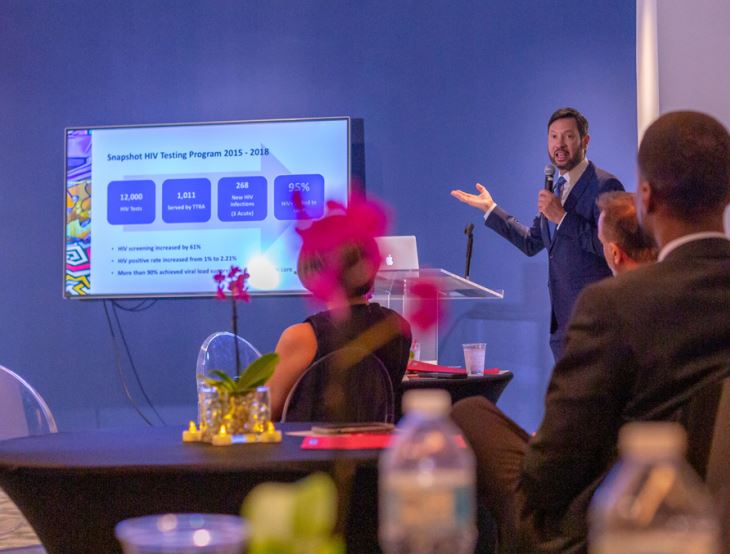
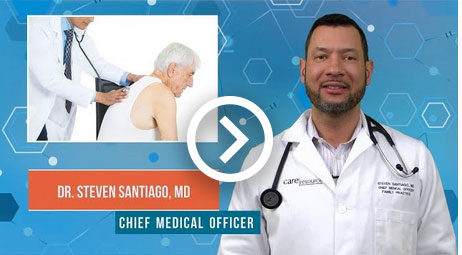
Dr Stvent Santiago explains the current projects Care Resource is undertaking to end HIV in South Florida.
Community Connections brings together healthcare and public health leaders to discuss HIV prevention, treatment, and community health. Among them were Dr. Steven Santiago, Care Resource’s Chief Medical Officer, and Kira Villamizar, Director of the STD/HIV Program for the Florida Department of Health in Miami-Dade County. Together, they highlighted the importance of collaboration in addressing HIV across South Florida.
Their discussion focused on strategies that continue to shape HIV prevention and treatment efforts today. Key topics included testing, rapid linkage to care, prevention awareness, and addressing barriers that affect health outcomes.
Expanding Access to HIV Prevention
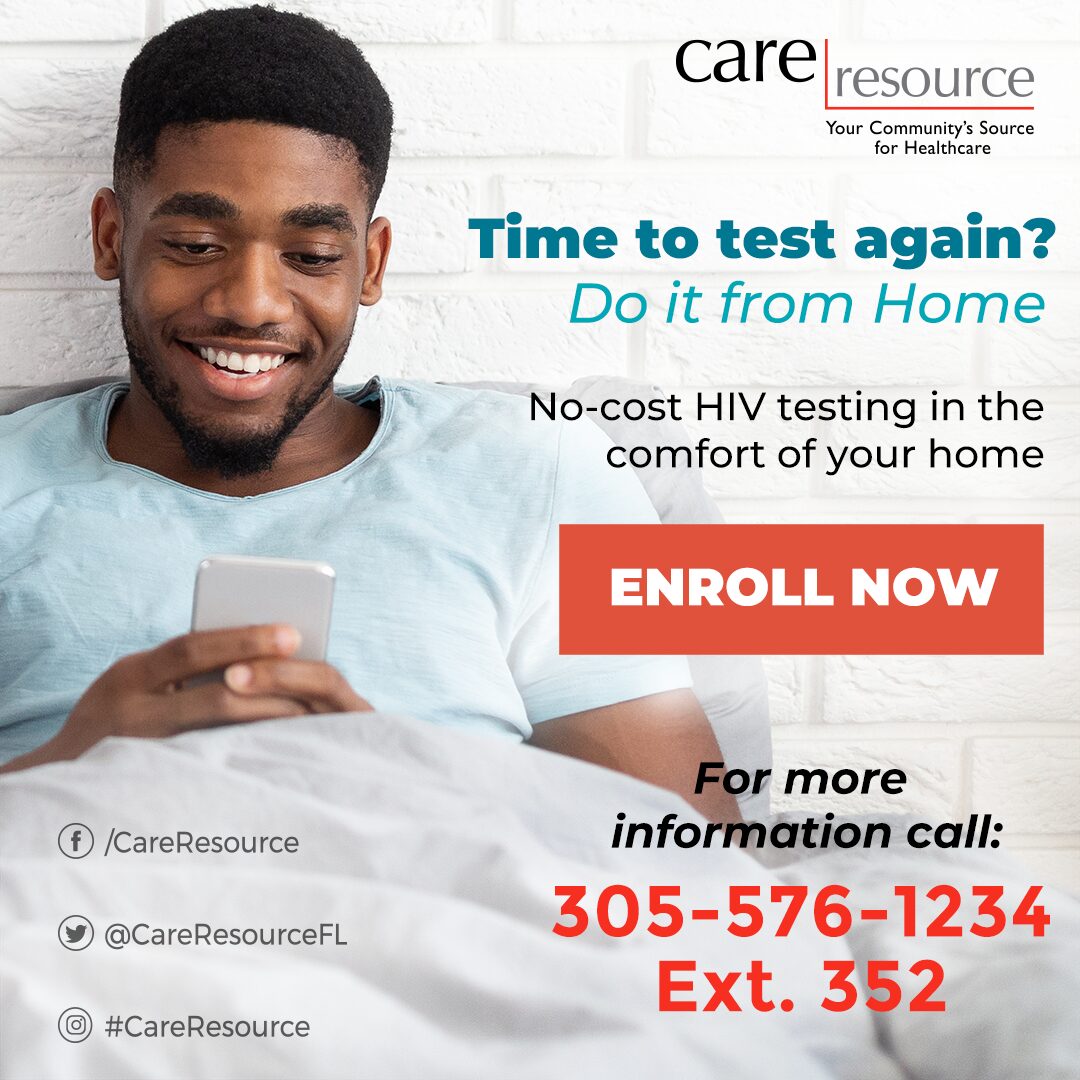
A key theme of the discussion was the importance of making HIV prevention services accessible to everyone. Effective prevention strategies include routine HIV testing, PrEP, and non-occupational post-exposure prophylaxis (nPEP). Community education and risk-reduction counseling also play important roles. These tools empower individuals to make informed healthcare decisions and reduce their risk of HIV transmission.
Additionally, increasing awareness of available prevention options helps connect more people to the services they need before a health concern becomes a crisis.
Connecting People to Care Earlier
The conversation also emphasized the value of early diagnosis and rapid linkage to care. Timely access to treatment and support services can improve long-term health outcomes and help people remain engaged in care.
Healthcare providers, community organizations, and public health agencies all play an important role in connecting individuals to treatment. Their collaboration helps reduce delays after diagnosis. This coordinated approach helps strengthen both individual and community health.
Addressing the Factors That Influence Health
Dr. Santiago also highlighted the importance of addressing factors beyond medical care that affect health outcomes. Housing instability, transportation challenges, financial barriers, and trauma can affect a person’s ability to maintain their health. Limited access to supportive services can create additional challenges.
For this reason, Care Resource embraces a whole-person approach to care. This includes behavioral health services, trauma-informed care, patient support services, and strategies that address social determinants of health.
Reaching Communities Through Outreach
Another important topic was the need to reach individuals in communities where barriers to care may be greatest. Outreach initiatives, education programs, and mobile health services help connect people to testing, prevention, treatment, and support services closer to where they live and work.
These efforts help build trust, improve awareness, and expand access to healthcare services among populations that have historically experienced health disparities.
Looking Ahead
The effort to reduce new HIV transmissions and improve health outcomes depends on continued collaboration, innovation, and community engagement. Community Connections reflects Care Resource’s commitment to bringing people together, sharing knowledge, and developing solutions that strengthen the health of our communities.
By fostering meaningful conversations, we can continue expanding access to prevention and improving treatment outcomes. We can also support healthier communities throughout South Florida.