Why Open Conversations About Sexual Health Matter
 Sexual wellness is an important part of overall health, yet many people still find it difficult to talk openly about topics such as sexually transmitted infections (STIs), HIV prevention, testing, healthy relationships, and personal boundaries.
Stigma, misinformation, and fear can discourage individuals from seeking care, asking questions, or accessing preventive services. However, open and honest conversations can help people make informed decisions about their health and connect with the resources they need to stay healthy.
Prevention Starts with Education
Knowledge remains one of the most effective tools for preventing HIV and other sexually transmitted infections. Understanding available prevention options helps individuals make choices that support their health and well-being.
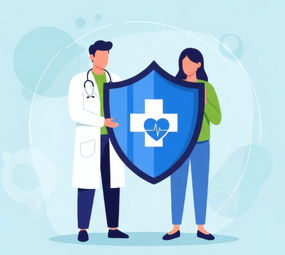
Condoms continue to be an important tool for reducing the risk of HIV and many other STIs when used consistently and correctly. In addition, prevention options such as HIV testing, pre-exposure prophylaxis (PrEP), post-exposure prophylaxis (PEP), vaccinations, and routine healthcare visits can help individuals take control of their sexual health.
Today’s prevention landscape offers more options than ever before. Access to accurate information allows people to choose the prevention strategies that best fit their needs and circumstances.
Keeping Young People Informed
Young people benefit from receiving accurate, age-appropriate health information and having trusted adults they can turn to with questions.
Recent CDC data shows that while fewer high school students report being sexually active than in previous years, protective behaviors such as condom use have also declined. Public health experts continue to emphasize the importance of education, access to healthcare services, and supportive conversations that help young people make informed decisions about their health.
Creating safe spaces for discussion can encourage young people to seek guidance, ask questions, and access preventive care when needed.
Sexual Wellness Is for Adults Too
Sexual health conversations should not stop after adolescence.
Adults of all ages benefit from routine healthcare, STI testing when appropriate, and discussions with healthcare providers about prevention strategies. Sexual wellness is a lifelong aspect of health that includes physical, emotional, and behavioral well-being.
Regular communication with healthcare professionals can help identify potential concerns early and provide access to prevention, testing, treatment, and supportive services.
Reducing Stigma Through Compassion
One of the greatest barriers to sexual health is stigma.
When people feel judged or embarrassed, they may avoid asking questions, discussing concerns, getting tested, or seeking treatment. By approaching sexual wellness with compassion, respect, and accurate information, communities can help remove those barriers and encourage healthier outcomes.
Everyone deserves access to healthcare without fear of judgment.
Taking Charge of Your Health
Good sexual health begins with awareness, communication, and access to care. Whether it’s scheduling a routine screening, discussing prevention options with a healthcare provider, or encouraging a loved one to seek information and support, small steps can make a significant difference.
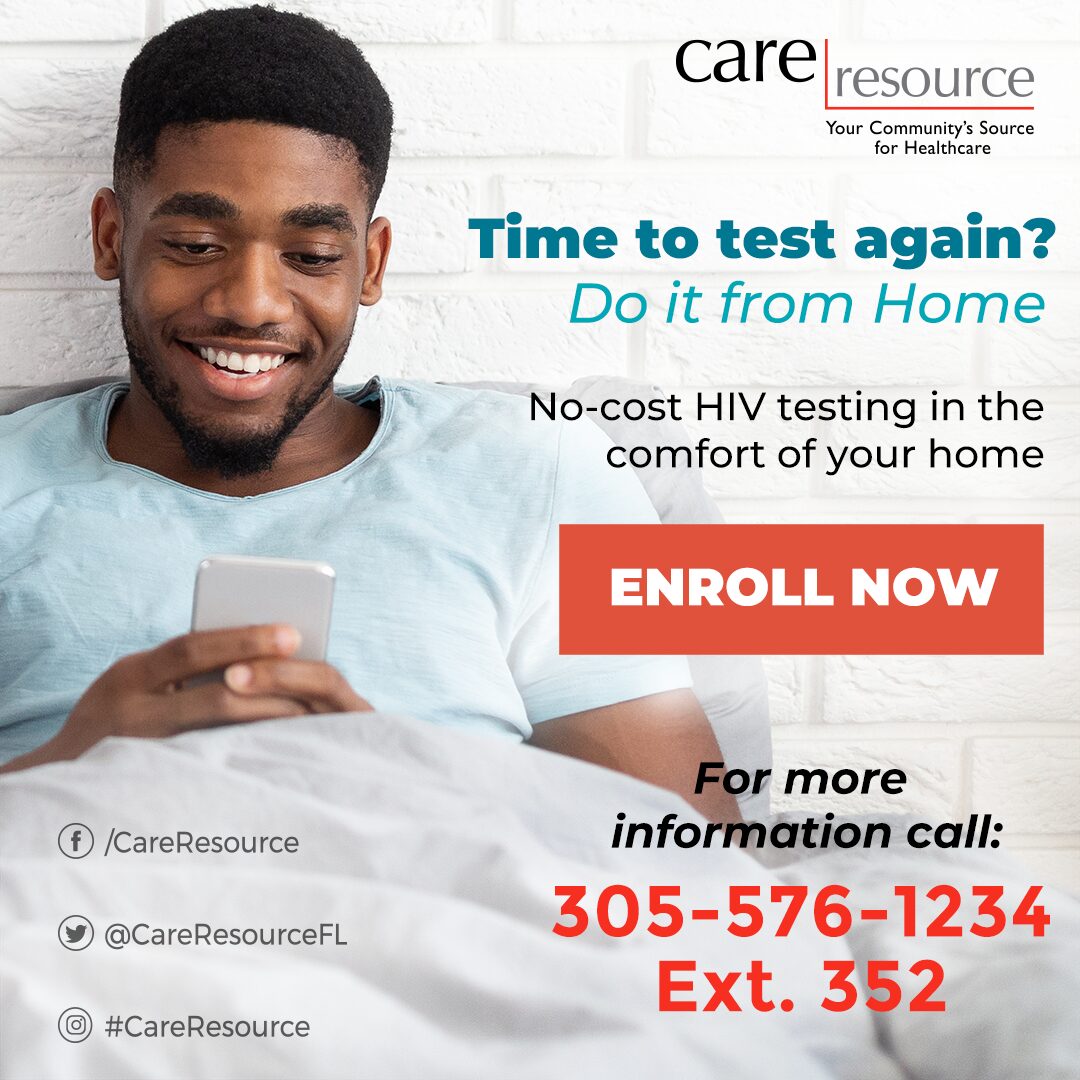
Care Resource encourages individuals to take an active role in their health and wellness by learning about available prevention tools, getting tested when appropriate, and having open conversations about sexual health.
About Care Resource
Care Resource Community Health Centers provides comprehensive prevention, testing, treatment, and support services throughout South Florida. Through education, healthcare, and community outreach, Care Resource works to improve health outcomes and reduce barriers to care for diverse and medically underserved communities.