Understanding HIV and Weight Gain After Viral Suppression
HIV and weight gain remain important topics for people living with HIV and their healthcare providers. A new national study offers insight into how weight changes over time after viral suppression. The findings may also help providers support long-term health and wellness.
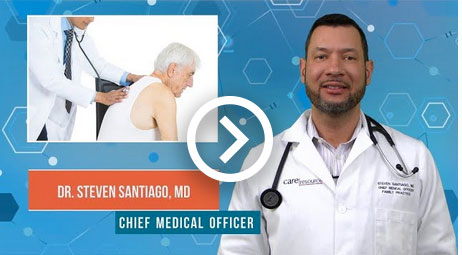
Researchers included Care Resource Chief Medical Officer Dr. Steven Santiago as a co-author of the study. They analyzed data from nearly 69,000 patients receiving care at 12 federally qualified health centers across the United States.
Why Researchers Studied HIV and Weight Gain
Advances in HIV treatment have helped many people achieve viral suppression and live longer lives. As life expectancy increases, providers continue to focus on long-term health and quality of life.
Researchers continue to study weight gain as an important aspect of overall wellness. They wanted to understand whether people living with well-controlled HIV experience different weight patterns than people without HIV.
To answer that question, researchers compared weight changes over three years. They studied people with virally suppressed HIV and similar individuals without HIV.
What the Study Found About HIV and Weight Gain
After accounting for age, health conditions, and other factors, researchers found similar average weight changes in both groups over three years.
However, a somewhat higher percentage of people living with HIV gained at least 10% of their starting weight. Among those participants, significant weight gain was more closely associated with younger age, lower starting body mass index, lower CD4 count, sex, and race.
Researchers also found that current antiretroviral therapy, or ART, was not a major predictor of significant weight gain during the study period.
What HIV and Weight Gain Findings Mean for Patients
The findings suggest that long-term weight gain may be influenced by many of the same factors that affect people without HIV. As a result, discussions about weight management often extend beyond HIV treatment alone.
Nutrition, physical activity, heart health, and metabolism can all affect overall wellness. Therefore, patients may benefit from ongoing conversations with their healthcare providers about maintaining a healthy weight.
The study also suggests that changing HIV medication alone may not address long-term weight gain in people whose HIV remains well controlled. Instead, providers may consider a broader approach that supports overall health.
Patients should discuss weight changes or medication concerns with their healthcare provider before making treatment decisions.
Care Resource’s Role in HIV Research
 Dr. Steven Santiago joined physicians and researchers from organizations across the country as a co-author of the study. According to the published research, he helped interpret the findings and critically review the manuscript.
Dr. Santiago was the only study author affiliated with Care Resource. His participation reflects the organization’s commitment to evidence-based HIV care and ongoing clinical research.
For more than 40 years, Care Resource has provided HIV prevention, treatment, and support services throughout South Florida. In addition, the organization continues to contribute to research that helps improve patient care and expand understanding of long-term health outcomes.
Learn more about Care Resource HIV specialty care and treatment services.
For additional information about living well with HIV, visit HIV.gov resources on long-term health and wellness.