HIV/AIDS Epidemic Lessons After More Than 40 Years
The HIV/AIDS epidemic has shaped public health, advocacy, and medical research for more than four decades. In 1981, healthcare providers began reporting unusual illnesses among a small group of young men in Los Angeles. What first appeared to be isolated cases later became recognized as the beginning of one of the most significant public health challenges in modern history.
Over the following decades, HIV affected millions of people worldwide. Families, communities, healthcare professionals, researchers, and advocates united to confront a disease that many people misunderstood and often associated with stigma and discrimination.
Today, the HIV/AIDS epidemic continues to influence public health. However, the story is no longer defined solely by loss. It is also a story of resilience, scientific progress, community activism, and hope.
HIV/AIDS Epidemic Lessons About Early Detection
One of the most important lessons from the HIV/AIDS epidemic is the value of early diagnosis and treatment.
Advances in testing allow individuals to learn their HIV status quickly and confidentially. Early diagnosis helps people begin treatment sooner, improve long-term health outcomes, and reduce the risk of transmission.
Regular HIV testing remains one of the most effective tools for ending the epidemic and helping individuals access the care they need. Learn more about https://www.cdc.gov/hiv/testing/ CDC HIV testing recommendations .
HIV/AIDS Epidemic Lessons About Education and Stigma
During the early years of the epidemic, misinformation and fear fueled stigma surrounding HIV/AIDS. As a result, many individuals experienced discrimination, isolation, and barriers to care.
Decades of education and advocacy transformed public understanding of HIV. Today, we know that HIV can affect people of all backgrounds. We also know that knowledge, compassion, and access to healthcare play essential roles in prevention and treatment.
Although significant progress has occurred, continued education remains critical. Ongoing awareness efforts help reduce stigma and encourage individuals to seek testing, treatment, and support.
HIV/AIDS Epidemic Lessons About Prevention
Scientific advancements have transformed HIV prevention.
Pre-exposure prophylaxis (PrEP), post-exposure prophylaxis (PEP), routine HIV testing, safer sex practices, and public health outreach programs have helped reduce new HIV infections and improve health outcomes.
These tools give individuals more options to protect themselves and their partners. At the same time, they support broader community health goals.
Communities Continue to Drive Progress
Communities have driven progress throughout the HIV/AIDS epidemic. Medical breakthroughs remain important, but community leadership has also played a critical role.
Advocates, healthcare providers, researchers, community organizations, and people living with HIV continue expanding access to care, fighting discrimination, and supporting those affected by the disease.
South Florida remains at the forefront of these efforts. Community partnerships connect individuals to testing, prevention services, treatment, housing assistance, behavioral healthcare, and supportive services that improve quality of life.
Learn more about /hiv-specialty-care/ Care Resource HIV Specialty Care services .
Inspiring Community Conversations About HIV/AIDS
Education, art, public health initiatives, and community engagement continue to highlight important HIV/AIDS epidemic lessons.
In 2021, Care Resource supported A Matter of Time: Examining Forty Years of AIDS While Living through a Pandemic, an exhibition at the Coral Gables Museum. The exhibition explored the history, impact, and lessons of the HIV/AIDS epidemic.
Shed Boren, Ph.D., Clinical Assistant Professor at Florida International University, and Yuni Villalonga, Chief Curator of the Coral Gables Museum, co-curated the exhibition. Through art, history, and personal stories, the exhibit encouraged meaningful conversations about HIV, public health, resilience, and remembrance.
Looking Ahead
Although tremendous progress has occurred during the past four decades, challenges remain. New HIV infections continue to occur, and many individuals still face barriers to healthcare, education, and supportive services.
The lessons learned throughout the HIV/AIDS epidemic continue to guide public health efforts. Organizations across the country work to improve health outcomes, reduce disparities, and expand access to care.
By investing in prevention, education, treatment, and community support, we move closer to a future where everyone has the opportunity to live a healthy life.
Continuing the Mission
For more than 40 years, communities across the country have shown that progress is possible when healthcare providers, advocates, and individuals work together.
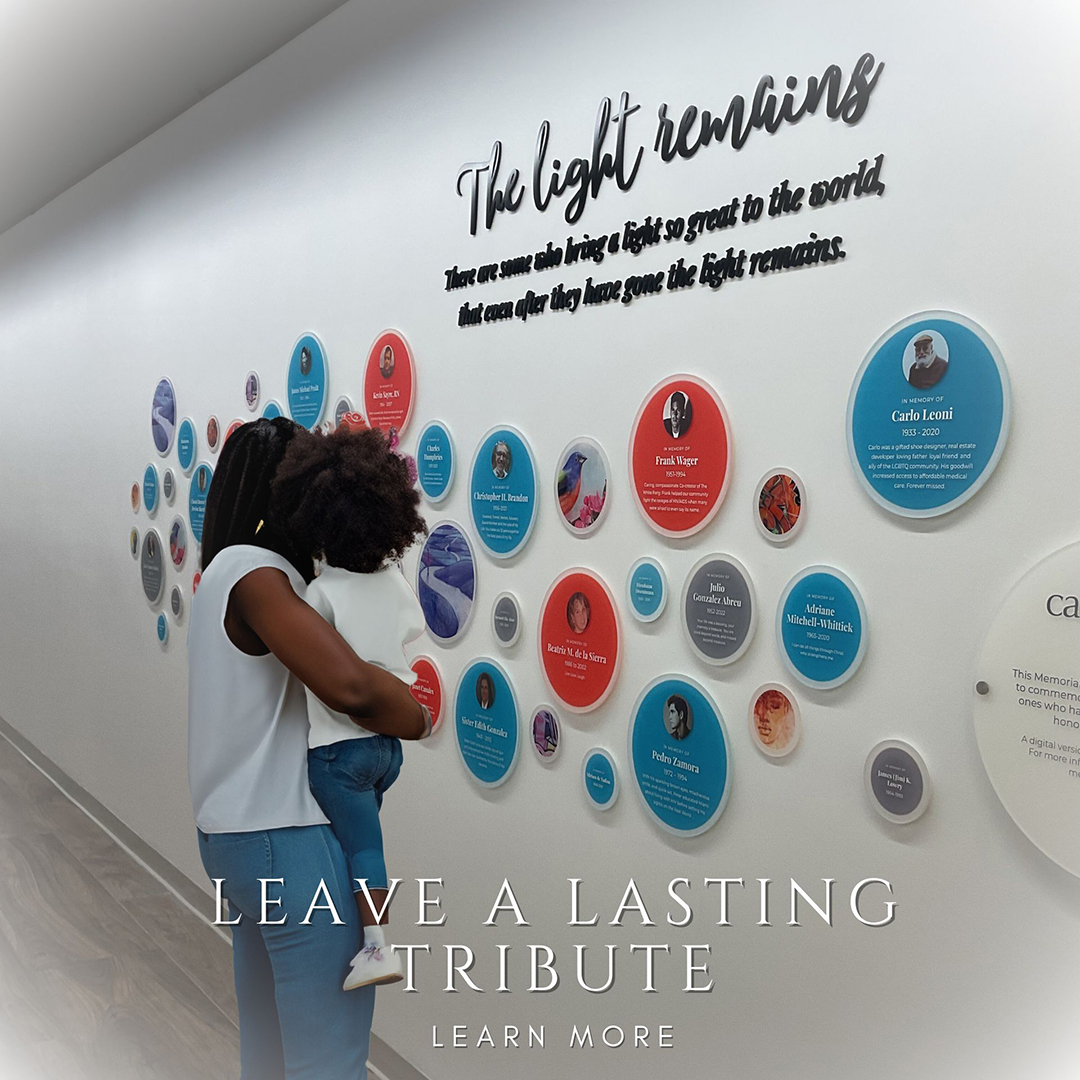
Care Resource remains committed to advancing HIV prevention, testing, treatment, and support services throughout South Florida. The organization also honors the resilience of those whose experiences shaped the response to the epidemic.
Their stories, sacrifices, and advocacy continue to inspire the work ahead.